
• Skip to main content
  • Skip to header right navigation
  • Skip to site footer
  • Home
  • About Denise
  • Forms
  • Fees & Policies
  • Online Classes
  • Upcoming Events
  • Contact
  • 713-823-4001
Denise O’Doherty

Denise O’Doherty

Licensed Professional Counselor, Licensed Marriage and Family Therapist, Drug and Alcohol Counselor, Registered Nurse

  • Relationship Counseling
    • Couples Therapy
    • Marriage Counseling & Family Therapy
    • Premarital Counseling
    • Domestic Abuse Counseling
    • IMAGO Relationship Therapy
  • Substance Abuse
    • Alcohol & Drug Addiction
    • SALCE Evaluations
  • LGBTQ+
    • Lesbian Therapy
    • LGBTQ+ Couples Therapy
  • Other Areas of Practice
    • Anxiety/Depression
    • BiPolar Disorder
    • Codependency/Personal Boundaries
    • Grief Counseling / Grief Therapy
    • Love Addiction/Love Avoidance
    • Overcoming Shame /Increasing Self-Esteem
    • Post Traumatic Stress Disorder
    • Dissociative Disorders
  • Gender Identity
    • Parents of Transgender Children
    • Gender Dysphoria
    • Cross-Dressing
    • Adult Children of Transgender Parents
  • Articles

Home » relationship counseling » Page 3

relationship counseling

BY Denise O'Doherty

Holiday Bliss vs. Holiday Blues!

Houston is full of positive images and for the Holidays. Already, you can see beautiful colored lights adorning the palm trees on major roadways, colorful decorations that sparkle and glow catch your attention in shopping centers, and soon happy holiday music will be playing everywhere you go. couples counseling, Marriage Counseling, relationship counseling, couples counseling Houston Texas,  Marriage Counseling Houston Texas,  relationship counseling Houston TexasThe message is that holidays are a time of giving and receiving surrounded by family and friends giving recognition for our lives. Its easy to envision festive images of family, friends, food, party’s and religious observation.

In other words the holidays are supposed to be a time of celebration and fun. Yet, ironically holidays can also bring about stress, anxiety, depression and disappointment. These occur for many reasons. Socializing for the holidays often is an excuse for people to over eat, and over drink, feeling miserable and remorseful later. Guilt and shame can also accompany “giving in”. The pressure of gift giving and going out more can be stressful if one over- steps financial boundaries and spends too much, only to pay for it later, both financially and emotionally. Feeling frantic, trying to live up to what you think others expect from you and what you unrealistically expect from yourself and others can lead to anxiety and disappointment. Compromising your values or beliefs, feeling stuck and obligated, with  limited choices and alternatives can lead to depression.

Symptoms that alert us to depression are:

  1. gaining or loosing a significant amount of weight in a short time
  2. over or under sleeping
  3. feeling overly tearful
  4. feeling that it’s hard to focus or concentrate
  5. feeling socially withdrawn.

To Get the Most Out of Your Holidays:

  1. Plan Ahead, so you can pace your activities without getting stressed.
  2. Get some down time for you. This should be a restful time not a stressful time, giving you time to reflect on the year, your life and your goals for the next year.
  3. Exercise your personal boundaries and be clear with others regarding what you can do and what you want to do, and stick to your plan.
  4. Make your own choices on what’s healthy and responsible regarding food and alcohol.
  5. Be realistic in what you spend. Sometimes the most heartfelt and appreciated gifts are not expensive.
  6. Choose your Company! Be with people who appreciate you, and who can enjoy a fun and stress-free holiday with you.

Make your holiday fun and memorable!

Psychotherapy can help restore joy and meaning in life.  If you or someone you know is struggling or has lost the ability to feel the joy that comes with celebration and connection to others, or who wants to focus on their direction and purpose for the new year, you may want to consider therapy. Call for a free phone consultation, to discuss what brief therapy can do for you, or someone you care about and make the holidays and new year something to celebrate!

Filed Under: couples counseling, Marriage Counseling, relationship counseling
BY Denise O'Doherty

Substance over Form

This is an excerpt from Melody Beatie’s book “The Language of Letting Go”:

Substance over Form

I’m learning that for a variety of reasons, I’ve spent much of my life focusing on form rather than substance. My focus has been on having my hair done perfectly, wearing the right clothes, having my car always neat and clean, living in the right place, furnishing it with the right furniture, working at the right job, and having the right friends and partners. Form, rather than substance, has controlled my behavior in many areas of my life. Now, I’m finally getting to the truth. It’ substance that counts.

-Anonymous

There is nothing wrong in wanting to look our best. Whether we are striving to create a self, a relationship, or a life, we need to have some solid ideas about what we want that to look like.

Form gives us a place to begin. But for many of us, form has been a substitute for substance. We may have focused on form to compensate for feeling afraid or feeling inferior. We may have focused on form because we didn’t know how to focus on substance.

Form is the outline: substance is what fills it in. We fell in the outline of ourselves by being authentic: we fill in the outline of our life by showing up for life and participating to the best of our ability.

Now, in recovery, we’re learning to pay attention to how things work and feel, not just to what they look like.
Today, I can focus on substance in my life. I will concentrate on the substance of my relationships, rather than what they look like. I will focus on the real workings of my life, instead of the trappings.

Filed Under: relationship counseling, couples counseling, Marriage Counseling, premarital counseling
BY Denise O'Doherty

This Is How You Know You’re In An Abusive Relationship

Original article by Jill Cory October 16, 2016 5:27 AM

You would know if you were in an abusive relationship, right? It would be obvious. Well, maybe not. Most women who experience abuse from a male partner spend months or even years thinking the relationship problem is something other than abuse.relationship counseling, marriage counseling, relationship therapy, premarital counseling It’s a “communication issue” or “a failure to set boundaries.” Maybe you’ve thought your partner has a bad temper or a problem with anger management. Perhaps you think that you are doing something wrong or that there is something wrong with you. In our society, we aren’t very good at talking about abuse, so women are often left wondering.

A common myth is that abuse means only physical abuse. But, actually, there are many different types of abuse, including emotional, psychological, financial, and sexual abuse. These can be just as damaging as physical abuse. For example, abusive partners can attempt to isolate you or cut you off from sources of support, use sarcasm or threats to put you down, change moods to intimidate you, express jealousy, and become emotionally distant.

They can also refuse to allow you to practice your faith, devalue your knowledge or education, control the finances, or threaten to have an affair if you don’t do what they ask. These and many other examples are not generally thought of as abuse. You may know there is something “wrong” but may not label it as abuse. Here’s a list of seven things that abusive partners often do in their relationships. Ask yourself if your partner does any of these things:

  1. Takes away your freedom to choose what you want or need

Abusive partners are controlling and often do not allow their significant others to make choices for themselves. You may find yourself unable to ask for what you need or want without your partner becoming aggressive, angry, or reactive.

  1. Demeans you

Abusers are very critical. Everything—your ideas, your beliefs, your body, even your feelings—are “stupid” or wrong. You may find that you second-guess yourself—what to wear, what to prepare for a meal, who you can be friends with—because you are worried about your partner’s reaction.

  1. Is unpredictable and volatile

While abusers can behave in acceptable or even positive ways some of the time, they are also unpredictable and even explosive in their behavior. This leaves women feeling like they are “walking on eggshells” because they are not sure what their partners will do next. If this is happening for you, you may find yourself exhausted and confused as you try to anticipate your partner’s next move.

  1. Blames you or others for their abusive behavior

Abusers rarely take responsibility for their behavior. Rather, it is everyone else’s fault. The boss is causing him stress. The kids are making noise. You are “pushing his buttons.” The abuse is not your fault, but he may leave you feeling like it is.

  1. Uses the “silent treatment” to punish or frighten you

Abused partners find that they are punished in many ways when they do things that their partner does not like. The “silent treatment” is just one such punishment. The “silent treatment” can be terrifying for women because they do not know what will happen next.

  1. Limits your access to money

Abusive partners are often very controlling when it comes to money. Since we need money to do just about anything, it is a powerful way to control someone. If your partner controls your access to money or other necessary resources such as a car, the computer, or the phone, you are being abused.

  1. Apologizes for their behavior and promises to change but never does

Part of the pattern of abusive behavior includes periods of behavior that appears positive—times when he might seem caring and helpful. During these “honeymoon periods,” he might even apologize for hurtful behavior and promise to change. But abuse is cyclical, and although he might promise to change or appear to be changing for a while, he will not be able to sustain it. His behavior will deteriorate again, and he will revert to controlling, frightening, or explosive behavior.

If you have experienced some of these behaviors from a current or past partner, you have likely experienced abuse. That is a hard reality to face. If you are with your partner, it may be hard to think of them as abusive. Your partner might not fit the stereotype of an abuser any more than you fit the stereotype of an “abused partner,” but that doesn’t matter. People who experience abuse come from all economic, racial, religious, and ethnic backgrounds. Abuse is not just reserved for the poor or weak—it can happen to anyone.

If you or someone you know is in an abusive relationship, find someone to talk to that you can trust, to help you with the next steps of how to deal with this. Processing your feelings and the situation may lead to making changes or helping someone else make them. Therapy can help. The important thing is to share it and not deal with it alone.


Filed Under: anger management, couples counseling, Marriage Counseling, premarital counseling, relationship counseling
BY Denise O'Doherty

Five Quick and Efficient Tips for Managing Anger

  1. anger management therapy Houston Texas, anger management Houston Texas, how to control anger Houston Texas, anger management counseling Houston Texas, anger issues Houston Texas, anger management counselling Houston Texas, anger management help Houston Texas, anger management strategies Houston Texas, anger therapy Houston Texas, how to control your anger Houston Texas, anger management programs Houston Texas, dealing with anger Houston Texas, anger management groups Houston Texas, controlling anger Houston Texas, anger counseling Houston Texas, anger control Houston Texas, managing anger Houston Texas, what is anger management Houston Texas, how to deal with anger Houston Texas, anger management treatment Houston Texas, how to reduce anger Houston Texas, Before you let anger get the best of you, when you feel anger beginning to escalate, visualize a stop sign similar to one you would see on the street while driving. Take some deep breaths and imaging exhaling the anger out of your body to gain immediate control or yourself. Thought-stopping can short-circuit anger. The less angry you are, the less angry you will become.

  2. Get beneath the anger. Anger is often a secondary emotion to the primary feelings of hurt, fear, or shame. Get to the source of your anger and put it into constructive action. (A therapist can help)
  3. Become an expert in detecting the early warning signs of anger. Stress, lack of sleep, hunger, loneliness, too much stimulation, multi-tasking, lack of affection- all can trigger anger. Track your signs and develop a proactive plan for self-care to prevent the build-up.
  4. Take responsibility for your own anger regardless of what your partner does. As long as you are blaming, you are stuck in anger.
  5. Get support. If your anger feels out of control or like it’s getting the best of you or your relationship, get help. Coaches, therapists, and spiritual leaders can be of great assistance in freeing you from this powerful emotion.
Filed Under: areas of practice, anger management, relationship counseling
BY Denise O'Doherty

Growing Apart is tearing us Apart

Few Couples grow apart intentionally or consciously. In most cases, it sneaks up on you like a thief in the night. Growing apart could easily be the greatest threat to relationships today.

Work obligations extend into personal hours. Commuting takes time away. Children/family commitments absorb all the time you have if you let them. areas of practice, couples counseling, Marriage Counseling, premarital counseling, relationship counselingAdd in time for religious activities, home repair, not to mention keeping up with the cooking, cleaning, laundry, bill-paying, personal hygiene, shopping and the list goes on….not to mention sleep, recreation, hobbies. Carving out time for the two of you can feel like one more obligation to fulfill.
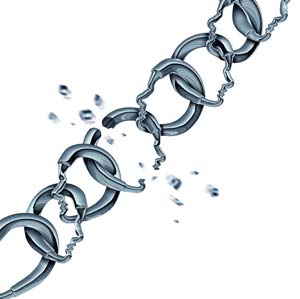
In some ways, it’s easier to ignore a good relationship because it doesn’t demand your attention. Unless someone is complaining, it’s easy to take each other for granted. In the process of being responsible you become irresponsible to the relationship.

Partners grow apart by:  following their individual interests. Boredom, having no effective way of managing differences and through lack of connection.

Here are some common reasons why a person might choose not to connect.

  • Lack of feeling able to talk and be heard. I can’t talk to you because our conversations always end in a fight. You interrupt, correct, criticize and always have to be right. I’ve given up.
  • Lack of affection. I can’t even remember the last time you showed me any physical affection. When I reach out to you, I get the cold shoulder or I’m accused of only wanting sex.
  • Attention to Needs: How can you expect me to be sensitive to your needs when you have ignored mine over and over again?
  • You’ve taken away the one activity that used to make us feel the most connected.
  • Lack of fun. You won’t join me in my idea of fun, and yet you don’t have suggestions for other things to do. You also don’t see how much I have to do before I can have fun and you don’t help me.
  • Joint Projects. I know you have a “to-do” list for me, and if you were running my life I would spend all my spare time completing tasks. While I think some of this is important (mainly because you like it), that’s not how I want to spend my spare time.

Transform Growing Apart

Growing apart can change. The way to fix this, can be fun and highly rewarding.

areas of practice, couples counseling, Marriage Counseling, premarital counseling, relationship counselingThink of reconnecting the same way you save money: pay yourself first. Carve out time for your relationship and spent that time together even if it means cheating other aspects of your life. Put a date night on the calendar and attach a serious penalty for breaking it. Don’t wait until you have time for each other: take time for each other and make other things wait!

  • Make a list of activities you do together that leave you in a better place with one another. If you don’t know of any, make it a goal to discover the activities as a team.
  • Get interested in each other’s interests.
  • Affection can go a long way towards reconnecting. Make a move.
  • Focus on solutions instead of problems. Brainstorm ways to get reconnected again.
  • Learn something new together.
  • Make goals for your relationship and work on fulfilling them together.

If the two of you have grown apart to the point of being strangers, you may have to fight your way back – and one of you may have to carry the burden alone for a while. It’s very powerful when even one person becomes energized on behalf of the relationship, especially in the face of opposition or apathy from the other partner.

Be willing to make a drastic change in your lifestyle for the sake of your relationship. Many couples become trapped in the life they have created.

Have compassion, show care and remember that love is an action, not just a feeling. If you still love each other, make your behavior and commitment to the relationship be a reflection of that love.

***From “You’re Tearing Us Apart- Twenty Ways We Wreck Our Relationships and Strategies to Repair Them” by Pat love, Eva Berlander and Kathleen McFadden and paraphrased by Denise O’Doherty.

Filed Under: relationship counseling, areas of practice, couples counseling, Marriage Counseling, premarital counseling
BY Denise O'Doherty

The Purpose Behind Controlling Behavior

Communication and negotiation are two main factors in a good relationship. This looks like two adults bringing their best to each other with mutual respect and consideration. No one wants to be controlled or bullied in a relationship. This article by Pat Love from her book “You’re Tearing Us Apart” makes us understand what is behind a “controller” and what to do about it.

“Your Controlling Behavior Is Tearing Us Apart”

“I feel like I’m living in a vice. I can’t move right or left, forward or backward, without you getting upset or somehow correcting me. I’ve avoided this subject for a long time because I don’t want your anger, your criticism, or your silent treatment, but I’m worn out and worried that it’s getting worse.

couples counseling, Marriage Counseling, premarital counseling, relationship counseling

Living with you is not fun anymore: in fact it’s like walking on eggshells. I find myself giving up more and more of my life because of your “my way or the highway” attitude.

You don’t trust me or how I do things. Or maybe you just think I’m stupid. You act like your opinion is always the right one and none doesn’t matter. I’ve given up so many things that are important to me just to keep peace with you – but it’s never enough.

If this sound like an exaggeration, please think about it. Think about how many of my friends and family you don’t like and don’t want me spending to me with: how many of my activities I’ve cut short or cut out because you don’t approve. And you always seem to be upset when I have fun without you.

I know you are smart. I know you have good ideas, and most of the time I know you love me, but your need to control my behavior is suffocating me and snuffing the life out of our relationship.

The Purpose Behind Controlling Behavior

The most common reason why we try to control another person’s behavior is to manage our own anxiety or insecurity. We feel safer and less vulnerable when everything happens as expected. This fact easily goes unnoticed because it’s largely unconscious. What others see as controlling is often seen as doing the right thing to the person in control, or at least doing it in a better way.

Those blamed for being controlling are often confused by this accusation. They see what they believe to be the best course of action and are incredulous when others don’t see it the same way. Motivated by the desire to help, partners who are controlling come on strong with suggestions and work hard to gain compliance.

couples counseling, Marriage Counseling, premarital counseling, relationship counselingControlling behavior also can be compensation for a time or situation when the partner had no control such as growing up, a stressful job, or a former relationship. Living without personal control can increase the motivation to seize control whenever possible.

The most severe forms of control are motivated by emotional dysregulation, which is the inability to manage our own feelings. In an attempt to avoid the fear of abandonment or the shame of inadequacy, the controlling partner resorts to extreme emotions such as anger, rage, threats, and even emotional or physical abuse.

The primary difference in modern twenty-first century couples and those in the past is the level of equality, equity, freedom and autonomy. Relationships thrive when each individual has the liberty to develop and grow as a person and a partner. This evolving process generates energy that keeps both partners interested and excited about a future together.

When one partner tries to control or limit the other’s choices, excitement is replaced by resentment, which is the number one cause of growing apart, and growing apart is cited as the most common reason for divorce and separation.

Once resentment enters a relationship, excitement fades, passion wanes, and anger is never far behind. Good feelings and effective communication go out the window, while criticism, defensiveness, and withdrawal seep in. When negative exchanges begin to outweigh the positives, the relationship is in serious trouble of tearing apart.

Transforming Controlling Behavior

Sometimes controlling behavior is simply a habit. The best way to break a habit is to form a new one. Developing a “no advice” policy might be just the right approach to replace the old pattern.

couples counseling, Marriage Counseling, premarital counseling, relationship counselingAs soon as you catch yourself trying to control your partner, stop and apologize: ”There, I did it again, I’m sorry”. It’s also a good idea to tell them what you are sorry for so they know you “got it”.

Apology goes a long way if you are sincere.

Instead of directing, or trying to influence your partner to what you want, simply say “oh” (to de-escalate you and show a noncommittal neutral stance) or “tell me more about how you think about that”. You might discover a great deal of wisdom in your partner’s perspective- especially if you’re more willing to be loving than to be right.

Most controlling behavior is fueled by anxiety or fear: therefore, you must learn to manage those feeling within yourself instead of trying to manage your partner’s behavior. Emotional regulation gives you control of what happens in your mind and your own behavior. Trying to control your partner’s life will wear you out and tear down your relationships. If the old pattern of controlling starts up, call a time-out. You can’t have an argument over control when one person refuses to participate.

If you’re the partner feeling controlled, then it’s your responsibility to speak up! Silence enables the behavior to continue. You might be more aware of the controlling behavior that your partner. Work together to agree upon a kind way to signal when the pattern re-emerges. Develop a redirect strategy to replace the old habits For example: when I life my hand in the stop position, I’d like you to be quiet and let me finish what I am doing.”

If you do not feel safe or competent to talk with your partner about the issue of control, take this as a sign to seek professional help.

Filed Under: Marriage Counseling, areas of practice, couples counseling, premarital counseling, relationship counseling
BY Denise O'Doherty

Resentments in Relationships

Resentments are the blocks that hold us back from loving ourselves and others. Resentments do not punish the other person, they punish us. They become barriers to feeling good and enjoying life. Resentments-in-Relationships-1They prevent us from being in harmony with the world. Resentments are hardened chunks of anger. They loosen up and dissolve with forgiveness and letting go.

Letting go of resentments does not mean we allow the other person to do anything to us that he or she wants. It means we accept what happened in the past, and we set boundaries for the future. We can let go of resentments and still have boundaries.

Try to see the good in the person, or the good that ultimately evolved from whatever incident you feel resentful about. Try to see your part. Get clarity on what your boundaries are and be willing to speak up and state your boundaries with others. (teach people how to treat you). Then put the incident to rest.

Filed Under: couples counseling, Marriage Counseling, premarital counseling, relationship counseling
BY Denise O'Doherty

Your Sexual Withholding Is Tearing Us Apart

“You wonder why I’m distant, angry, and hurt. You wonder why I’m not affectionate – just think about it. How would you feel if you Sexual-Withholding-1reached out to me for sex and I turned my back, pushed you away, or made lame excuses to avoid any romantic or sexual time together? How about if I went day after day ignoring your sexual needs?

It’s hard for me to feel like helping you or supporting you when you’re so insensitive. Problem is, it takes two of us to be sexual but only one person (you!) to say no. You have the power to stop our sex life and you have used that power at the risk of our happiness.

You must not feel what I feel when we go without sex. I can’t help but believe if you knew how physically, emotionally, and psychologically uncomfortable it is for me, that you would feel guilty about your resistance. Or maybe you just don’t care; maybe you don’t care about sex and don’t care about me. Whatever the reason, I’m not happy about it and you should understand why I’m upset.”

The Purpose of Sexual Withholding

People withhold sex for a variety of reasons. Sometimes it’s simply a difference in sexual desire: one partner wants sex twice a week and the other prefers twice a month. (The two most common frequency preferences among couples)

Some partners don’t enjoy the same sexual activities and therefore resist any sexual contact at all. They lack effective communication skills as well as suggestions for sexual techniques that could lead to mutual enjoyment.

Some people use lack of sex as a way to “punish” their partner or get their partners attention when they feel their partner is not listening to Sexual-Withholding-2them anymore.

A significant number of couples simply don’t make time for sex. The lead busy lives with little relaxation or quiet moments together.

Some partners simply aren’t interested in sex and feel justified in ignoring their partner’s needs- although this is far rarer than you might believe. Given the right situation almost everyone enjoys sex.

If the partner who initiates sex more often exhibits offensive behavior, such as acting in an angry or defensive manner, this may serve as a turn-off and justification for the other partner to withhold sexual contact. Without effective communication skills a cold war may ensue.

Easily, the most common reason partners withhold sex is lack of information related to healthy, fun, sexual practices. They don’t know what turns them on and therefore cannot provide their partners with constructive information that would lead to mutual satisfaction. They may never have come close to experiencing their own sexual potential.

The Disconnect from Sexual Withholding

Early in a relationship, with novelty fueling the libido, sexual desire and receptivity run high for most couples. Over the course of time normal differences evolve, requiring skills and knowledge to navigate. Unfortunately, not all individuals or couples are equipped to manage these sexual changes.

When reality falls short of expectations, disappointment sets in. In the beginning of a relationship it appears as if you both have the same desires, similar interests in sex, and are tuned in to one another’s needs in an almost perfect manner. Managing your intimate love life takes little or no effort at all. This romantic love stage fosters the belief that it will always be this way. When normal differences emerge, disenchantment follows. How you manage this common post-rapture stage of love will determine how connected or disconnected you are as a couple.

Disconnection occurs when curiosity, caring, compassion, and open communication are replaced with criticism, control, blame, bullying, defensiveness, defiance, withdrawal, withholding, anger, or avoidance.

Transforming Sexual Withholding

Most people live a lifetime and never experience the full pleasure of their sexual potential – or the potential of the partnership. Unaware of sexual styles as well as the differing partnership. Unaware of sexual styles as well as the differing pathways to arousal, they stay stuck in old patterns and parochial views. Transformation requires a new perspective beginning with commitment to creating a passionate relationship together.

Sexual withholding can be a little problem or a big problem, and transformation must be congruent with the level of severity. If you are just out of practice and need to get back on track, reignite your sex life with these words of wisdom:

  • Set mutual established sensual/sexual goals for your relationship.
  • Start with small, doable goals.
  • Make time for sex. Block off private, uninterrupted periods and make these commitments sacred.
  • Become an expert in your own sexual arousal and desire.
  • Establish a safe way of talking about sex.
  • Accept and honor differences between the two of you.
  • Understand that half the population doesn’t feel like having sex until they are already having sex.

Most couples agree that sex is important to the care and feeding of a relationship, but they get stuck around the “will wee or won’t we have sex” stage. Take away the tension, reflect on what you admire in your partner and keep an open mind. Replace withholding with a Sexual-Withholding-3commitment to be available as a sexual/ sensual/ intimate partner whenever either of you has the desire.

There are many, many ways to be sexual. From the quickie to the weekend sex fest, couples run the gamut when it comes to sensual pleasure. Get in the habit of expanding your sexual repertoire in terms of time, attention, and technique.

If the issues between the two of you are more complicated than just getting off track, then you might need to address the unresolved issues that are contaminating your sex life:

  • Set aside time to talk and listen in a calm, respectful manner.
  • Practice replacing criticism with asking specifically for what you want.
  • Anytime your partner comes close to pleasing you, acknowledge the act with a smile, touch, or “Thank you!”
  • Consult a third party – Read a related book such as “Hot Monogamy” or “You Can Make It Happen” as a study guide for your relationship.

If sex has become a deal-breaker, or if the two of you are growing further apart, consult a specialist ASAP. If there is underlying contempt, or the feeling that there is “too much water under the bridge” or that you are no longer feeling like you are understood by your partner or compatible for reasons outside sex, then the relationship needs help. There is no substitute for professional support when it comes to sexual issues that threaten your relationship. Counseling doesn’t have to go on forever or cost a fortune. Be sure to work with a therapist who has been trained in relationship counseling as well as sexuality. There’s not a better way to invest in your home improvement!

“Your’re Tearing Us Apart”
    by Pat Love, Eva Berlander, and Kathleen McFadden


Filed Under: couples counseling, Marriage Counseling, premarital counseling, relationship counseling
BY Denise O'Doherty

Your Affair is Tearing Us Apart

“Just the thought of you being with someone else literally makes me feel sick. I can’t believe you would do this to me. I can’t believe you would do this to us! After all we have gone through and after all we have built together, I can’t believe you would throw it all away without a thought or concern for anyone but yourself. What were you thinking? Did you even think of how I would feel? Did you even care? Does this Your Affair is Tearing Us Apartstranger mean more to you than your own family? You have ruined all our lives just to follow your feelings and please yourself.
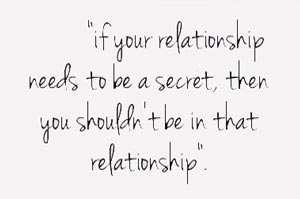
So is this about sex? Are you not attracted to me anymore? Did you ever find me attractive? Am I such a miserable failure? It feels like my heart is being torn out of my body. Why are you doing this to me?

I am angry but I am also deeply sad. I’m grieving the loss of a dream. I guess it was a dream because I thought we had a strong loving relationship while all along you were giving your love and attention secretly to someone else.

How could you look at me and act like nothing was happening while knowing you were lying to my face? Some part of me feels like a big fool- for loving you, believing you, and trusting you. Well, you’ve broken that trust, and I don’t know if I can ever get that back again.”

The Purpose Behind Affairs

People have affairs for a variety of reasons, but the ones I hear in therapy are often, “I felt someone paid attention and was interested in me”, “It’s fun”, “I felt important to someone”, “It feels good”. Although most of us enjoy the security, companionship and comfort of a committed, monogamous relationship, we also might desire the passion and intensity that comes from a new relationship, especially a secret one.

People have affairs because they consider it nobody else’s business (not even their partners’). This affair might be about sex only; it could be an emotional affair they don’t consider infidelity; it might add spice to their committed relationship; it might be a lifelong personal style and they have no interest in changing; it could be perceived as a reward for working hard and fulfilling responsibilities. An affair can also be payback or a passive-aggressive act against the committed partner.

Your Affair is Tearing Us ApartMost people, however, don’t decide- they slide into an affair. Conscious thought doesn’t enter into the picture. An innocent acquaintance gradually becomes more intimate until it’s the primary source of pleasure. An innocent acquaintance gradually becomes more intimate until it’s the primary source of pleasure. The affair begins with two people sharing information or an activity; they bond around personal contact and mutual experiences. With little or no conscious thought, they cross the line into infatuation. Once the affair relationship start to provide a sensual or sexual high, then it’s “game over.” You are now under the influence of infatuation, one of the strongest forces found in nature. Infatuation sets up an insatiable craving for more contact that’s practically impossible to resist.


It’s easy to be judgmental about affairs. But being attracted to another person is normal. For some, monogamy is compatible and comfortable. For others, monogamy takes a more conscious effort.

An important clarification regarding affairs- contrary to popular belief- is that affairs can and do happen in good relationships. You can be in a happily committed relationship and still meet someone at work with whom you have chemistry. If you follow the chemistry, an affair will follow.

The Disconnect from Affairs

Infidelity threatens the connection between two people in many ways. Affairs break trust, lack of trust creates anxiety, and managing anxiety is exhausting. Affair-repair takes a lot of energy.Your-Affair-is-Tearing-Us-Apart-4

Affairs change your image of your partner. Whether you had the affair or you’re reeling from your partner’s affair, the experience will show you another side of one another’s personality. When we are in the throes of fear or shame, none of us function at our best.

Affairs are traumatic. Trauma is any real or perceived threat to survival. When you are in a committed love relationship your partner becomes an attachment figure. This means, your partner’s attention determines your feeling of security and survival. So if your partner chooses someone else over you, it feels like you are going to die. Affairs evoke fear of abandonment. Even though affairs most often are the result of your partner’s unilateral, personal decision, it’s hard not to take it as a personal affront. When you’re reeling in the hurt it’s hard to reach the love that once connected you.

The unfaithful partner can feel shame because:

  • I broke my promise of fidelity. I lied and cheated.
  • I gave away what I promised to you.
  • I went against my core values. I disappointed the people I love.

The betrayed partner can feel shame because:

  • I told other people what you did to punish you.
  • Like a fool, I trusted you.
  • I took you back after all the hurt, the betrayal, and everything you’ve done.
  • I’ll put up with anything, so what does that say about me?

Shame is a disabling feeling that can make you want to hide, shut down, and disconnect from the pain as well as the partner. Pain makes us defend and protect ourselves. You don’t feel connected when you’re busy defending.

Transforming Affairs

Affairs can bring out the best and worst of times when trying to repair your relationship. The best of times can include realizing how important you are to one another, having fun together, being vulnerable and compassionate, becoming better communicators, making new commitments, being affectionate and having great sex.

Your Affair is Tearing Us Apart

Affairs can also bring out the worst of times. If you had the affair you may feel like

you never loved your committed partner. You may grieve the loss of the affair partner and resent your committed partner for taking that away. You might believer you will never be as happy as you were with the affair partner. You might even believe you have lost the love of your life.

If you are the betrayed partner, you may feel like you’re riding an emotional roller coaster. You may feel like your whole life has been a lie and the rug was pulled out from under you. You may have feelings of hatred and revenge, even violence, something you never thought you could feel. You may become obsessed about micromanaging your partner’s behavior and want to monitor every hour of the day. You may hack a phone or computer, plant a GPS device, or hire a private detective. You may want to stay one minute and run away forever in the next. It may feel like temporary insanity to either of you or both. The good news is, it’s not only possible to survive but to thrive in a relationship after an affair. Here are some basic steps to facilitate the process:

Step One – Zero Contact:

Generally, recovery and repair can’t begin until there is zero contact with the affair partner. That means no face-to-face visits, phone calls, emails, texts, or internet contact – nothing. That also means no fantasizing, re-reading communications, listening to your “special music,” or revisiting the love scenes. This can be especially difficult when the affair involves someone from work.

Step Two – Informed Consent:

Most individuals need some relevant information and facts about the betrayal including, but not limited to, names, places, time spent together, money spent on affair/ affair partner, activities, and details. The partner who was betrayed has the right to the information to make an informed decision about moving forward. It’s difficult to rebuild a relationship without a foundation of honesty. Giving relevant information is also an indication that the unfaithful partner is protecting the committed partner not the affair partner. In couples therapy, this is called a “disclosure” session.

Step Three – Remorse:

The partner who betrayed must understand and have compassion for the betrayed partner’s pain caused by the infidelity. This is a pivotal step. Without remorse, forgiveness is difficult, if not impossible. Without remorse, further betrayal is probably. It’s not about just being sorry but being able to tell your spouse why you are sorry.

Step Four – Forgiveness:

This step is vital for the relationship to grow and prosper, and it is often a difficult process for the betrayed partner. It means to let go of anger, bitterness and being able to see good in yourself and your world. It does not mean to forget what happened, but to see it in a way that doesn’t make you toxic and sick.

Step Six – Create a New Contract:

This doesn’t mean you need a formal, legal document (although some couples do), but be sure you’re in agreement about what it means to be in a committed, monogamous relationship. Most couples commit to being lovers, best friends, confidants, playmates, financial partners, social partners, each other’s priority above everything else, and always on each other’s side.

Recommitment

Most couples get into relationships without discussing expectations and behaviors that are acceptable and unacceptable for the relationship. It’s important for both of you to be on the same page about your recommitment to one another. A therapist can be a good third person to help you create a safe space for this. Some couples even have a recommitment ceremony after a period of healing and forgiveness.

After the Affair

Once time has passed and healing has begun, it may be important to look at issues that were in play before the affair took place. Addressing unresolved issues, changing communication patterns, and revitalizing your sex life may be in order as you move forward together, but only well after you both have recovered from the betrayal.

The ultimate question for couples facing infidelity are the following. Your Affair is Tearing Us ApartThese can also be addressed in psychotherapy with a professional who is familiar with guiding you through to build trust, safety and a positive connection.

  • Is this a relationship that I want to nourish, cherish and value as a priority in my life?
  • What actions will you take in your relationship to be the best partner you can be?
  • What expectations will you have of yourself to be an excellent partner?
  • What action steps can I take to keep my relationship exciting, alive and meaningful.
  • What are your core values?
  • How can you live each day with authenticity and without regret?

Recovering from an affair can be well worth the hard work. Many couples will tell you even though they never would have chosen this path, their relationship became stronger and more rewarding through the journey.

Paraphrased from “You’re Tearing Us Apart – 20 Ways We Wreck Our Relationships and Strategies to Repair Them” – Pat Love, Eva Berlander, and Kathleen McFadden

Filed Under: couples counseling, Marriage Counseling, premarital counseling, relationship counseling
BY Denise O'Doherty

“Your Criticism is Tearing Us Apart”

People who criticize don’t realize how hurtful it is when they attack others. The one attacked usually ends up feeling like no matter what they do, nothing ever seems good enough. All the good feels over looked even when you go out of your way to try and please your partner. It makes one feel like not trying anymore. Also, the burden of feeling unappreciated and judged tends to grow heavier the longer you are together.

positivity-1As strange as it sounds, criticism has a positive purpose: it’s an attempt to evoke a change in the relationship. Complaint, comparison, and blame are ways of letting you know something needs to shift: but even though it is aimed toward a solution, criticism often becomes the problem.

Partners who criticize aren’t fully aware of the impact because, typically, they are trying to communicate a desire for change that they feel will improve the relationship. Although their intentions are positive, they don’t realize the result is negative. “You don’t listen to me,” may mean, “I want you to show interest in me by remembering our conversations because that makes me feel close to you and loved by you.” Or, “All you ever think about is sex,” may mean, “I want to have sex with you and it takes an emotional connection to ignite my desire.”

One common point of confusion regarding criticism is how men and women differ in their responses to it. Neither likes it, but if a woman complains to another woman, “The kids are driving me crazy!” most women will move in closer to comfort or console. “I am so sorry. Tell me what’s going on.” But if a woman complains to a man, “The kids are driving me crazy!” He knows sooner or later it’s going to be his fault. Most men are fixers, and so a woman’s complaint feels like his failure for not fixing the problem or preventing it from happening. Interestingly, when a man criticizes another man, it’s often in the form of banter or sparing: it even can be a way of helping him improve, for instance, “If you get a better haircut you might get a date!” These same principles work in same sex relationships also.

Behind every criticism is a desire, but when a desire in delivered and received in a negative manner, the results are personal and hurtful.

Most people defend against criticism. Some people defpositivity-2end by trying harder and apologizing. Others defend by withdrawing, getting angry, or loosing hope. When criticized, your psyche switches into a defensive mode, and while this protection is in place, connection with your partner is broken. With repeated criticism you’ll eventually associate your partner with pain, not pleasure, leaving you no choice but to tune out and disconnect. If and when this happens, the distance between you will widen at an alarming rate.

Relationship connection is critical to our well-being- not to mention our survival. One of our greatest human strengths is attachment. We need to be understood, cared about, and, from time-to-time, have another individual experience a state of mind similar to our own.

Criticism comes in all forms: cutting words: sounds, such as a heavy sigh: and bodily expressions like piercing eyes, wrinkled forehead, or threatening body posture.

Continual criticism ultimately can lead to contempt, the single greatest predictor of divorce and separation. Contempt means, “I’ve made my mind about you and it’s not good.” Contempt keeps you from seeing what your partner does right while only seeing what your partner does wrong.

Criticism is stressful for both partners and keeps you both on edge. As love as defenses are up, connection is down. Couples who are disconnected risk growing apart, which is the most commonly cited cause of divorce and separation.

Transforming Criticism

Behind ever blame, judgement, complaint, and criticism is a desire, so cut to the chase – go straight to our desire. Ask for what you want in an affirmative way. State your desire positively, measurably, and specifically.

“I would love for you to plan one evening a month alone for us where we have no phones or electronics for a three-hour block of time.”

positivity-3You can transform criticism by stating the underlying desire. Be clever, not critical. You can eliminate the need for criticism altogether by catching your partner in the act of doing something right – even a seemingly mundane thing – and acknowledging it.

“It really helped when you put gas in my car for me this weekend.”
“Thank you for a wonderful evening and just staying home relaxing with me.”
“It feels so good when you smile at me and tell me you love me.”
“Thank you for remembering I had that review at work today because your note of encouragement lifted my spirits.”

Your partner is very interested in your desires but cannot hear you when they come in the form of criticism. Stay connected by sending your positive message in a positive package.

Don’t forget you can catch a mood, so try infecting your partner with positivity. The only person you can change is yourself, and you alone can promote positive change and help keep the path clear for connection by transforming criticism into desire and appreciation.


Filed Under: couples counseling, Marriage Counseling, premarital counseling, relationship counseling
  • Previous
  • Page 1
  • Page 2
  • Page 3
  • Page 4
  • Page 5
  • Interim pages omitted …
  • Page 7
  • Next
  • Facebook
  • Twitter
  • Google
  • YouTube
  • LinkedIn

Houston, TX 77019 | 713-823-4001 | Sitemap | Privacy Policy

Copyright © 2026 · All Rights Reserved · Maintained by Levy Marketing